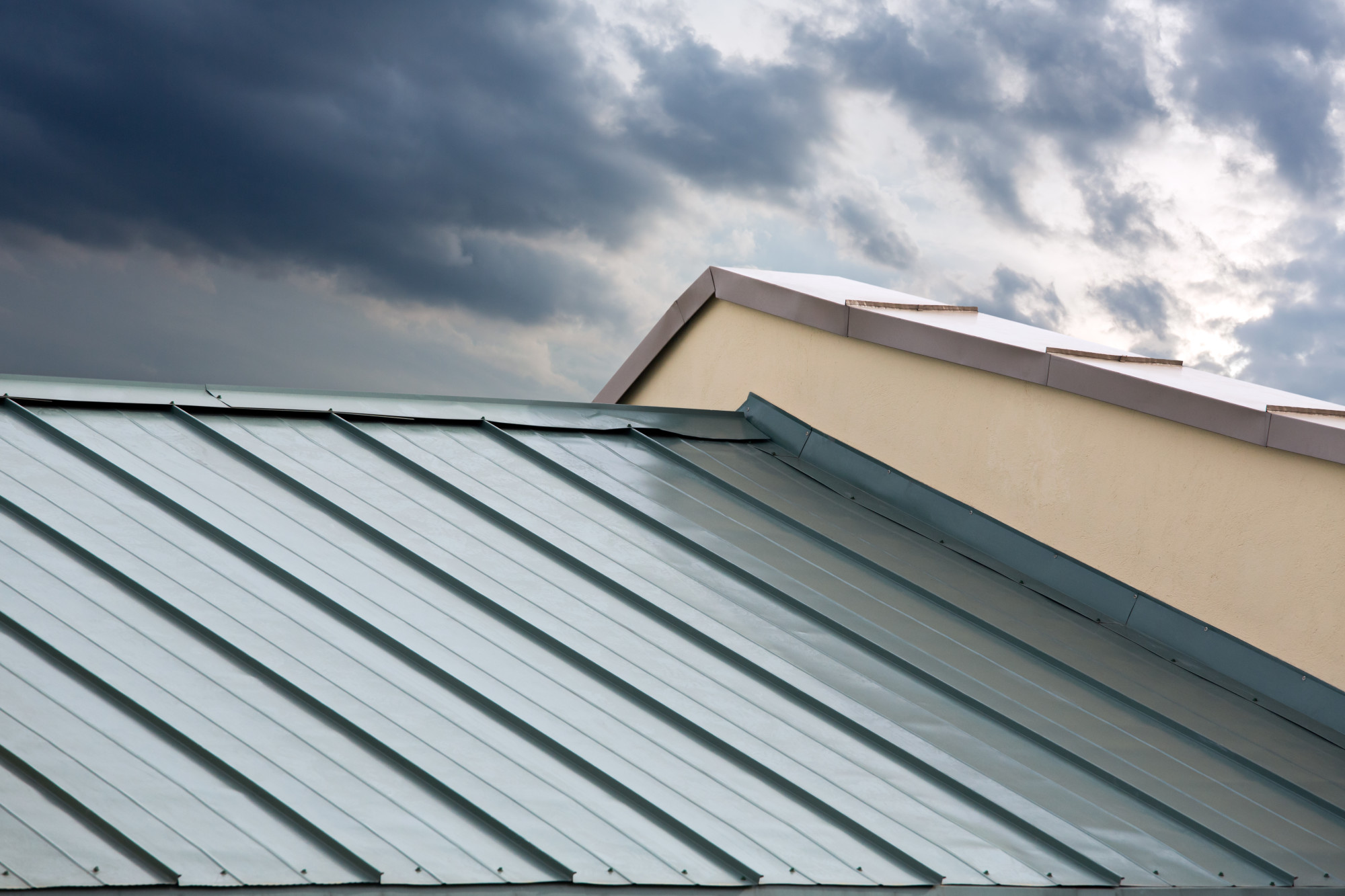
Tear-Off Versus Going Over the Old Roof
A key question in replacing a roof with metal is whether to remove the old roof first or install over it, and the answer matters for a Meridian Hills homeowner. Here is how it works.
What a Tear-Off Involves
A tear-off means removing the existing roof down to the deck before installing the new metal roof. This allows a full inspection and repair of the deck, ensures a clean foundation, and is often the better or necessary approach, especially when the old roof or deck has problems. While it adds labor and disposal cost, a tear-off gives the most reliable result, with no hidden issues left underneath.
When Overlay Is an Option
In some cases, metal can be installed over an existing roof, an overlay, which can save the labor and cost of removal when the old roof and deck are in suitable condition. Whether this is appropriate depends on the existing roof's condition, the deck's soundness, local building codes, and the specifics of the situation. Overlay is not always advisable, but where conditions allow, this approach can be cost-effective.
Why the Deck Matters
A central reason tear-off is often preferred is the deck, the wood surface beneath the roofing, since installing over an old roof leaves any deck problems hidden and unaddressed. A tear-off exposes the deck for inspection and any needed repair, ensuring the new roof has a sound foundation. Since the deck's condition is critical to the roof's performance, this is a strong argument for tear-off in many cases.
The Right Choice Depends
Whether tear-off or overlay is right depends on the condition of the existing roof and deck, building codes, and the particular situation, which is why a professional assessment is needed to recommend the appropriate approach. There is no one-size answer, the right choice is specific to your roof. An experienced contractor evaluates these factors and advises accordingly. Matching the approach to the situation ensures a sound result.
An Honest Recommendation
A trustworthy contractor recommends tear-off or overlay based on what genuinely serves your roof, not on what is easiest or most profitable, explaining the reasoning so you understand the choice. This honesty matters, since cutting corners with an ill-advised overlay can lead to problems. The right contractor gives you a straight recommendation grounded in your roof's actual condition. That guidance protects the result.
Tear-Off or Overlay, in Short
Tear-off removes the old roof for a clean, inspected foundation and is often preferred, while overlay installs over the existing roof to save cost where conditions allow. The right choice depends on the roof, deck, codes, and an honest professional assessment.
It also helps Meridian Hills homeowners to see a necessary roof replacement not merely as an expense to minimize but as an opportunity to improve, because the material you choose for the new roof shapes the value you get from the project for decades to come. When a roof has reached the point of needing replacement, you are going to invest a significant sum regardless of what you put back on, the labor of removal, the deck work, the underlayment, and the installation are substantial costs that apply to any roofing material. Given that, the incremental difference in choosing a longer-lasting, more durable material like metal over another short-lived asphalt roof buys a great deal. Where an asphalt replacement puts you back on the same fifteen-to-twenty-year cycle, meaning you or a future owner will face this same project again before too long, a quality metal replacement can last forty years or more, often becoming the last roof the home ever needs. On top of that longevity, metal brings superior durability and weather resistance, much lower maintenance, energy benefits from reflecting heat, and support for the home's resale value. So the sensible way to frame the decision, once replacement is necessary, is to weigh not just the upfront cost of each material but the lasting value it delivers, and for many homeowners that calculation favors making the replacement a metal one, turning an unavoidable expense into a durable, long-term upgrade that pays off for years.
One thing worth emphasizing for Meridian Hills homeowners facing this decision is that the honest repair-versus-replace call depends entirely on the roof's actual condition, and a trustworthy contractor will give you that straight rather than pushing you toward whichever option is more profitable. There is a real temptation in the roofing world to oversell replacements, since a full replacement is a much larger job than a repair, and a homeowner facing a leak or some visible damage can be talked into replacing a roof that genuinely had years of life left. Conversely, there is also a false economy in repeatedly patching a roof that is fundamentally worn out, where each repair buys a little time but the underlying roof keeps failing, and the money spent on patches would have been better put toward a replacement that solves the problem for decades. The right answer sits between these, and it is specific to your roof. A roof with isolated, fixable damage on an otherwise sound structure should be repaired, while a roof that is near the end of its expected life, broadly damaged or worn, or leaking in multiple places is usually better replaced. The way to know which describes your roof is an honest professional inspection from someone with the experience to judge the roof's true condition and the integrity to recommend accordingly, repair when it suffices, replacement only when it is genuinely warranted. That straight assessment protects you from both being oversold a replacement you do not need and from throwing money at a roof that is past saving.
It also helps Meridian Hills homeowners to see a necessary roof replacement not merely as an expense to minimize but as an opportunity to improve, because the material you choose for the new roof shapes the value you get from the project for decades to come. When a roof has reached the point of needing replacement, you are going to invest a significant sum regardless of what you put back on, the labor of removal, the deck work, the underlayment, and the installation are substantial costs that apply to any roofing material. Given that, the incremental difference in choosing a longer-lasting, more durable material like metal over another short-lived asphalt roof buys a great deal. Where an asphalt replacement puts you back on the same fifteen-to-twenty-year cycle, meaning you or a future owner will face this same project again before too long, a quality metal replacement can last forty years or more, often becoming the last roof the home ever needs. On top of that longevity, metal brings superior durability and weather resistance, much lower maintenance, energy benefits from reflecting heat, and support for the home's resale value. So the sensible way to frame the decision, once replacement is necessary, is to weigh not just the upfront cost of each material but the lasting value it delivers, and for many homeowners that calculation favors making the replacement a metal one, turning an unavoidable expense into a durable, long-term upgrade that pays off for years.
Get the Right Approach for Your Roof
Meridian Hills Metal Roofing assesses your Meridian Hills roof and recommends tear-off or overlay honestly, based on what your roof genuinely needs. Call {phone} for a free inspection and a straight recommendation on the right approach for your metal roof replacement.