What a Real Maintenance Program Actually Includes
A commercial roof maintenance program is not a sales gimmick or a single annual visit where someone walks the roof with a clipboard and emails you a report. The programs that actually extend roof life and prevent interior damage are built around two scheduled inspections per year, typically one in spring after winter freeze thaw cycles have done their damage, and one in fall before the next winter arrives. During each visit, technicians clear drains and scuppers, check every penetration where pipes, vents, and HVAC curbs meet the membrane, inspect seams and laps on TPO or EPDM systems, examine flashings at parapets and walls, and document conditions with photos. Small repairs like sealing a lifted seam, replacing a cracked pipe boot, or resetting a loose termination bar are usually handled on the spot or scheduled within the same visit. A written report follows, with photos and a clear list of anything that needs more substantial attention. When we run a maintenance call for a building owner in Meridian Hills, the goal is to leave the roof in measurably better shape than we found it and to give you a document you can show ownership, insurance, or a future buyer. If you want to understand the standard scope of these agreements in more detail, our guide on what a commercial roof maintenance plan covers breaks down each component.
Beyond the scheduled visits, a meaningful program also tracks history over time. The second year inspection should reference what was found in year one, and patterns start to emerge. A pipe boot that needed resealing twice in eighteen months is telling you something different than one that has held tight since installation. A drain that clogs every fall points to a tree line that needs trimming or a strainer that needs upgrading. Good documentation turns reactive guesswork into predictable budgeting, and that is the part owners in Meridian Hills tend to value most once they have lived with a program for a few years. The reports become a living record of the roof, useful when insurance underwriters ask questions, when a property changes hands, or when ownership needs to justify a capital expense to a lender or board.
Pricing Reality for Meridian Hills Buildings
Pricing varies more than most owners expect, and anyone quoting a flat per square foot number without seeing your roof is guessing. The variables that matter are roof size, membrane type, the number of penetrations (a roof packed with HVAC units and vents takes longer to inspect than a clean expanse of TPO), accessibility, and the condition you are starting from. A roof that has been neglected for a decade needs more work in year one than a roof that was professionally installed last summer. With those caveats, here are realistic ranges we see across Central Indiana for annual maintenance agreements on flat and low slope commercial roofs.
What these numbers buy you is the inspections, drain cleaning, documentation, and minor on the spot repairs up to a defined limit (often $250 to $500 worth of materials and labor per visit). Anything larger gets quoted separately, and you keep the right to approve or decline. A common point of confusion is whether emergency response is included. In most programs it is not bundled, but program members typically get prioritized scheduling and a preferred rate when something does go wrong. When an active leak is reported, severity gets assessed over the phone, an inspection is scheduled quickly, and tarping or dry in work is prioritized to stop interior damage while a permanent repair is planned. If you want to see what those reactive numbers look like, our breakdown of commercial roof repair pricing in Meridian Hills covers the typical cost of unplanned fixes.
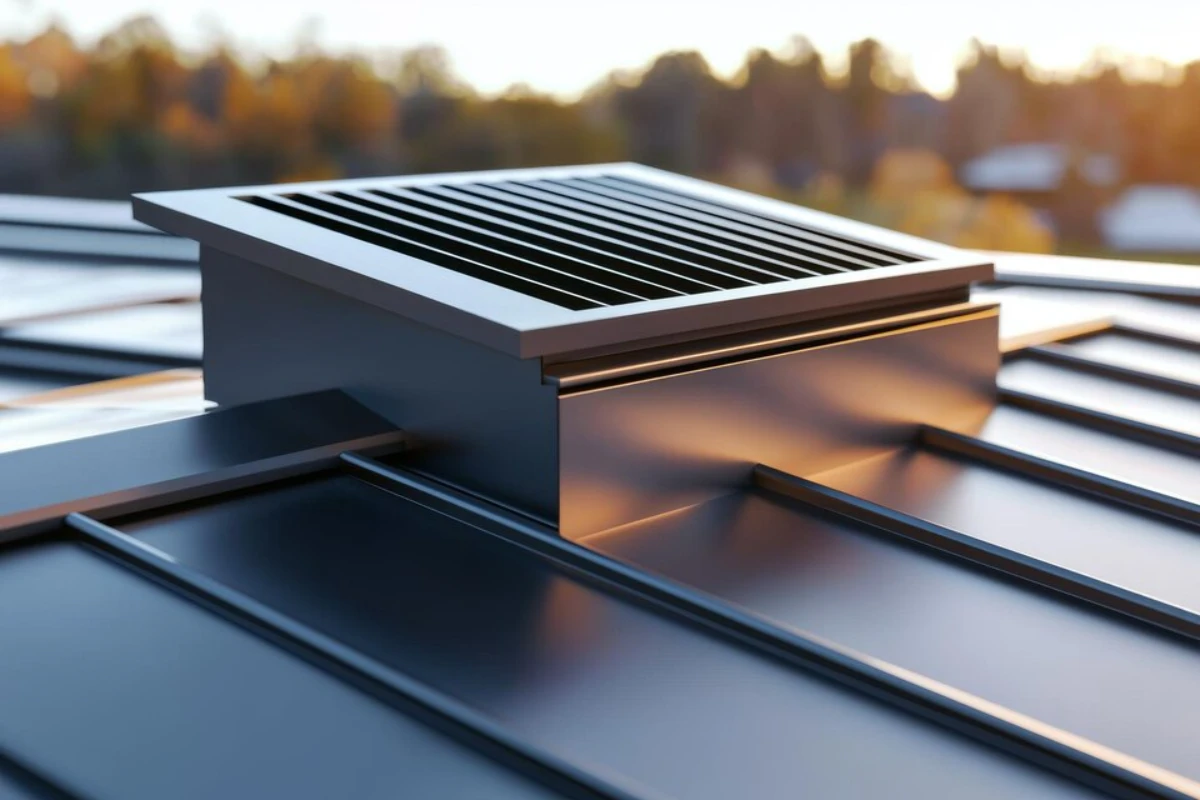
It is also worth noting how membrane type shifts the pricing picture. A modified bitumen roof with hundreds of linear feet of seams takes longer to walk and probe than a mechanically attached TPO system with clean field sheets. A ballasted EPDM roof requires moving stone to inspect critical details, which adds labor. Metal roofs on warehouses and manufacturing buildings carry their own concerns around fastener backout, sealant degradation at standing seams, and panel oil canning that can mask water paths. Each of these systems can be maintained well, but the scope and the hours required to do it right are not interchangeable, and pricing reflects that reality.
How to Decide If the Math Works
The honest way to evaluate a maintenance program is to compare the annual cost against three things: the manufacturer warranty requirements on your membrane, the cost of a single significant interior water event, and the realistic remaining life of your roof. Most TPO, PVC, and EPDM warranties require documented annual maintenance to remain enforceable, so skipping it can void coverage you already paid for. A single interior water event involving wet drywall, ruined inventory, and tenant displacement routinely runs ten to thirty times the cost of a year of maintenance. And on a roof with eight or more years of life left, every dollar spent on prevention buys you measurable additional service life, often two to four extra years before replacement is needed. If your roof is past twenty years old and already showing widespread membrane failure, a maintenance program is the wrong product, and an honest contractor will tell you that and point you toward a planned commercial roof replacement conversation instead. At Meridian Hills Metal Roofing, if a maintenance plan does not make sense for your building, we will tell you directly. We would rather skip the sale than sell you something that does not protect your property.
For owners who are still weighing the decision, the simplest first step is an honest baseline inspection. Walk the roof with a contractor who will give you a real condition assessment in writing, including remaining service life, immediate concerns, and a clear recommendation on whether a program is appropriate. From there the math tends to make itself, and the building owners in Meridian Hills who commit to a program almost universally tell us the same thing a year or two in: they stopped thinking about the roof, which is exactly what a good maintenance plan is supposed to do.